Menu
Same-Day Service Available!
Many homeowners are surprised when carpet odors return shortly after cleaning. The carpet may look fresh, stains may be gone, and the room may even smell better at first. Then days or weeks later, the odor comes back, often stronger than before. This cycle is frustrating and leaves many people wondering why their efforts did not work.

DIY carpet cleaning usually focuses on what can be seen and smelled right away. Surface stains are treated, and fragrances may temporarily mask unpleasant odors. However, odors do not always stay on the surface. Liquids, spills, and pet accidents can sink deep into carpet fibers and padding, where simple cleaning methods cannot reach.
Another common issue is residue. Many household cleaners leave behind substances that attract dirt and trap odor. As moisture, humidity, or everyday foot traffic disturbs the carpet, these trapped odors are released back into the air. This makes it seem like the smell never fully went away.
Understanding why carpet odors return after DIY cleaning is the first step toward solving the problem. In this guide, we will explain what causes odors to linger, common mistakes that make them worse, and what it takes to remove odors at the source for longer-lasting results.
Carpet is designed to absorb impact and feel comfortable underfoot. That same design also allows liquids and odors to move downward quickly. When spills or pet accidents happen, moisture does not stay on the surface for long.
Once odors move below the visible fibers, they become much harder to remove.
Carpet fibers naturally draw liquid in.
This causes:
Blotting the surface alone often does not stop this process.
Carpet padding is highly absorbent and slow to dry.
When odors reach the padding:
Padding is often the main reason odors return.
Daily movement makes the problem worse.
Foot traffic can:
The more activity the carpet sees, the deeper odors can travel.
Carpet may dry on top while moisture stays below.
This leads to:
Understanding how odors sink below the surface explains why DIY cleaning often falls short. In the next section, we will cover common DIY cleaning mistakes that actually trap odors instead of removing them.
DIY carpet cleaning is often done with good intentions, but certain habits can make odor problems worse. Instead of removing the source, these mistakes push odors deeper or cause them to linger longer.
Knowing what to avoid is just as important as knowing what to do.
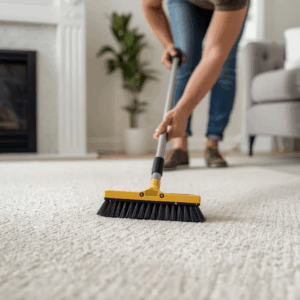
Scrubbing feels productive, but it spreads the problem.
Scrubbing can:
Blotting lifts moisture, while scrubbing forces it down.
More solution does not mean better results.
Overuse can:
Excess moisture is one of the biggest reasons smells return.
Scented cleaners often hide odors temporarily.
This leads to:
Masking does not eliminate the source of the odor.
Carpet that stays damp too long invites odor problems.
Common issues include:
Proper drying is critical for lasting results.
Understanding these common DIY mistakes explains why odors often come back after cleaning. In the next section, we will look at how residue left behind by cleaners causes smells to return again and again.
One of the most overlooked reasons carpet odors return is residue left behind after DIY cleaning. Many household cleaners do not fully rinse out of carpet fibers. Instead, they leave a film that traps dirt and odor over time.
This residue becomes a magnet for future problems.
Leftover cleaner does not stay clean for long.
Residue can:
What starts as a fresh scent can quickly turn into a new odor source.
When residue sits in carpet fibers, it binds with moisture and dirt.
This leads to:
Even light moisture can reactivate trapped smells.
Each new cleaning adds another layer.
Over time, this causes:
The carpet becomes harder to clean with each attempt.
Residue-related odors often come and go.
Homeowners may notice:
This unpredictability is a common sign of residue buildup.
Understanding how residue causes odors to return explains why repeated DIY cleaning often fails. In the next section, we will cover clear signs that odors have reached the carpet padding.
When odors keep returning no matter how often you clean, the problem may be deeper than the carpet fibers. Once smells reach the carpet padding, DIY cleaning becomes far less effective. Padding holds moisture and odor, allowing smells to linger long after the surface dries.
Recognizing these signs early can save time and frustration.
One of the most common warning signs is a smell that disappears briefly and then comes back.
This often happens:
Temporary relief usually means the source was not removed.
Humidity can reactivate odors trapped below the surface.
Homeowners may notice:
This reaction points to moisture held in the padding.
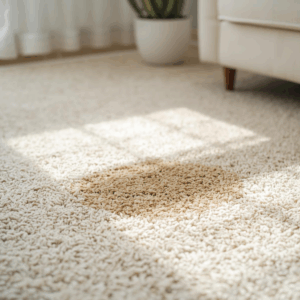
Pets can detect odors humans may not notice.
Signs include:
This behavior often signals odor below the surface.
Padding saturation can cause stains to resurface.
You may see:
These changes suggest deeper contamination.
Understanding when odors reach the padding explains why DIY methods often fail. In the next section, we will explain why at-home cleaning cannot fully reach the source of these odors.
DIY carpet cleaning methods are designed for surface-level issues. While they may improve how the carpet looks and smells temporarily, they are not built to address odors that have moved deep into the carpet system.
This limitation is why odors often return after home cleaning.
Most DIY tools focus on the top layer of carpet.
They typically:
Once odors reach the padding, surface cleaning is not enough.
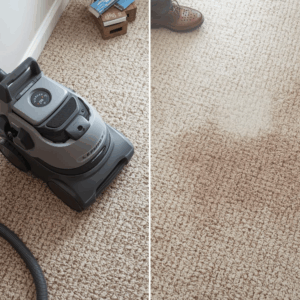
DIY machines often lack the suction power needed to fully remove moisture.
This can result in:
Residual moisture feeds odor-causing bacteria.
Many household cleaners are made to clean, not neutralize.
This means they may:
Without neutralization, smells resurface.
Each cleaning attempt can push odors deeper if done incorrectly.
Over time, this causes:
At this point, professional treatment is often required.
Understanding the limits of DIY methods explains why persistent carpet odors need a deeper solution. In the next section, we will explain how professional carpet cleaning removes odors at the source.
When carpet odors keep returning, professional carpet cleaning offers a deeper solution. Unlike DIY methods, professional cleaning is designed to target odors where they start, not just where they are noticed.
This source-level approach is what makes the difference.
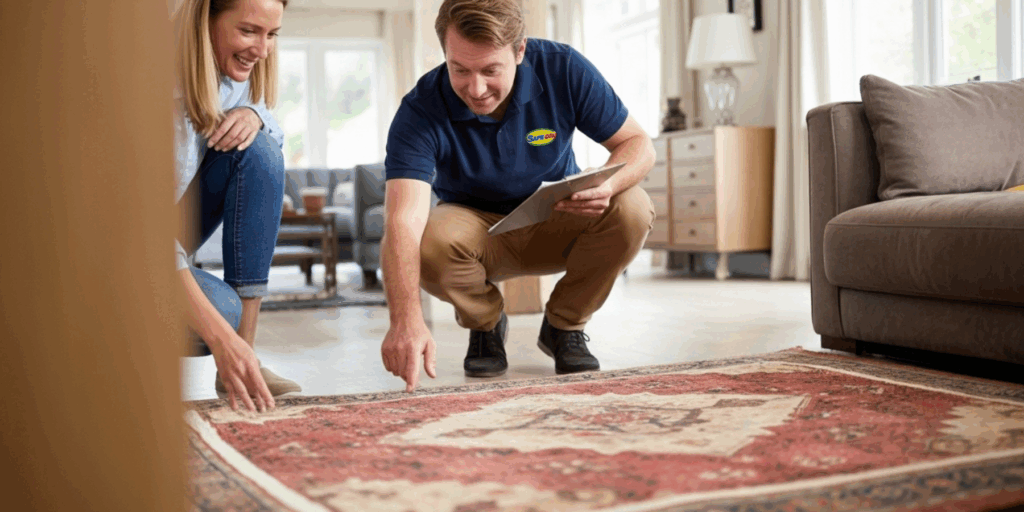
Professional carpet cleaning focuses on the full carpet system.
It helps:
This ensures the source of the smell is properly handled.
Professional treatments are designed to break down odor-causing compounds.
These solutions:
This leads to more lasting results.
Excess moisture can make odor problems worse.
Professional cleaning uses:
This helps prevent odors from reappearing after cleaning.
Removing odors at the source improves long-term freshness.
Homeowners often notice:
This makes professional care a more effective solution.
Understanding how professional carpet cleaning removes odors at the source explains why it outperforms DIY methods. In the next section, we will share practical steps homeowners can take to prevent odors from returning.
Once odors are removed properly, prevention becomes the next priority. Small changes in daily habits and routine care can greatly reduce the chances of odors coming back. Consistency matters more than using stronger products.
Preventive steps help protect results long term.
Time plays a major role in odor control.
Quick action helps:
The faster moisture is removed, the easier it is to manage.
Using too many products can create residue problems.
To prevent buildup:
Less residue means fewer odors trapped in the carpet.
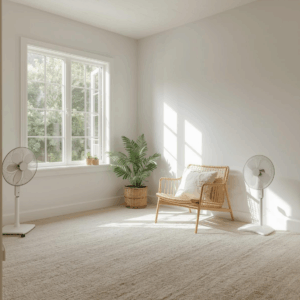
Dry carpet stays fresher longer.
Helpful habits include:
Proper drying reduces odor reactivation.
Routine professional care helps prevent odor buildup.
Benefits include:
Scheduled cleaning supports long-term freshness.
Preventing carpet odors protects both comfort and indoor air quality. Next, we will answer common questions homeowners have about recurring carpet odors and long-term odor control.
Carpet odors often seem manageable at first, then gradually become more noticeable. This change is not accidental. Odor problems tend to intensify when the source is not fully removed and environmental factors reactivate what is trapped below the surface.
Understanding this pattern helps explain why waiting usually makes the problem harder to fix.
Each spill, accident, or DIY cleaning attempt can add to the problem.
Over time:
Instead of one source, multiple layers contribute to the smell.
Environmental conditions play a major role.
Odors often worsen when:
Moisture in the air pulls odor molecules back to the surface.
Homeowners may stop noticing odors right away.
This happens because:
By the time odors feel obvious again, the problem is often deeper.
The longer odors remain untreated, the fewer at-home solutions work.
Delayed treatment can lead to:
Early intervention is always easier than late correction.
Understanding why odor problems worsen over time reinforces the importance of addressing them properly. Next, we will answer common questions homeowners have about recurring carpet odors and odor removal options.
DIY cleaning often treats only the surface. Odors that reach the carpet padding or leave residue behind can return once moisture or humidity reactivates them.
Yes. Odor-causing material can remain below the surface even when stains are gone and the carpet looks clean.
Most scented cleaners only mask smells temporarily. Once the fragrance fades, the original odor often returns.
Humidity pulls trapped odor molecules back to the surface, making smells stronger and more noticeable.
No. Scrubbing can spread odors and push moisture deeper into the carpet and padding.
Signs include smells returning after drying, stronger odors with humidity, and pets revisiting the same spot.
Yes. Over-cleaning with household products can build residue and increase padding saturation, making odors harder to remove.
Vacuuming helps with surface debris but does not remove odors trapped deep in the carpet system.
Most professional treatments are completed in one visit, with drying time depending on the severity of the odor.
Yes. Removing odors at the source and avoiding residue greatly reduces the chance of recurring smells.
Recurring carpet odors are frustrating, especially when DIY cleaning seems to work at first. The reason smells keep coming back is simple. Odors often sink below the surface, become trapped in padding, or get locked in by cleaning residue. When these issues are not addressed properly, moisture, heat, and everyday activity bring the odor back.
Professional carpet cleaning focuses on removing odors at the source instead of masking them. By targeting deep contamination and controlling moisture, it provides longer-lasting results and helps restore indoor comfort. Combined with proper prevention, this approach stops the cycle of repeat odors.
If you are tired of cleaning the same area over and over without lasting results, it is time for a deeper solution. Schedule now to eliminate carpet odors at the source and enjoy a fresher, more comfortable home.