Menu
Same-Day Service Available!
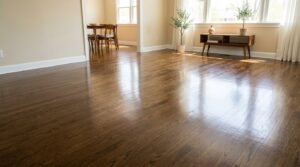
Hardwood Floor Cleaning in Donelson, Tennessee should leave your floors feeling smooth, clean, and comfortable. However, sticky residue is one of the most common frustrations we hear about. You mop, it smells clean, and then your socks drag. You notice footprints, dull haze, or a tacky film that seems to attract more dirt than before. That “sticky” feeling usually isn’t the wood itself. It’s product buildup, dirty rinse water, or too much moisture drying on the finish.
Sticky residue tends to show up in the busiest parts of the house. In Donelson, Tennessee homes, we often see it in entry paths, kitchens, hallways, and living rooms where life happens daily. Pet paws, cooking oils in the air, and fine dust add to the problem. Meanwhile, many mop solutions and “shine” products leave a coating. That coating builds layer by layer, and each new mop session spreads it wider.
Our team has more than 30 years of trusted service experience, and the best lesson we’ve learned is simple: the safest fixes use a quick-drying mindset and controlled moisture. Flooding hardwood spreads residue and can push moisture into seams. A family-safe, eco-friendly approach matters too, because floors are where kids play and everyone walks barefoot. The goal is a clean, neutral finish, not a perfumed coating.
Hardwood Floor Cleaning works best when you treat sticky residue like what it is: a removable film sitting on top of the protective finish. This guide gives you a 10-step process to identify the source, strip residue safely, and prevent it from returning. You’ll learn what’s safe vs what’s risky, how to fix the problem without over-wetting, and when it makes sense to schedule professional help instead of experimenting with stronger products.
If your hardwood floors feel sticky after mopping, keep reading. Step 1 starts now and will help you get a smoother, cleaner result.
Sticky residue is almost always on the finish, but the safest approach depends on what that finish is. Most modern hardwood floors are sealed with polyurethane. Some older floors may have wax or polish buildup from years of “restorer” products.
Quick checks you can do:
Look at the floor in bright window light. If you see cloudy swirls, smears, or uneven shine, buildup is likely.
Rub a small hidden spot with a barely damp white cloth. If it feels tacky and the cloth glides poorly, residue is likely.
If you suspect wax or heavy polish, avoid harsh cleaners and avoid vinegar-heavy routines.
What’s safe:
Spot testing in a hidden corner first.
Choosing a pH-neutral hardwood cleaner designed for finished wood.
What’s risky:
Using strong degreasers, ammonia, or harsh alkaline cleaners that can dull finishes.
Adding polish to “fix” tackiness, which often makes the film thicker.
If you want a finish-safe professional reset, you can review our local hardwood service.
Hardwood Floor Cleaning starts with removing grit and dust. If you mop first, you can turn fine debris into a paste that spreads across the finish. That paste dries into a tacky layer that feels like sticky residue.
Do this before any damp work:
Use a microfiber dust mop or vacuum with a soft floor brush attachment.
Work slowly along entry paths, kitchen walk lanes, and baseboards.
Pick up corners and under chair edges where dust hides.
HGTV also emphasizes removing debris first and using methods that protect the finish when cleaning hardwood floors.
What’s safe:
Microfiber dry mopping and soft attachments.
Two-direction passes in the highest traffic areas.
What’s risky:
Wet mopping over dust and expecting the mop to “grab everything.”
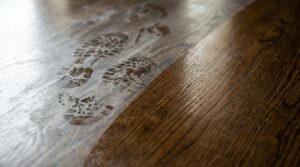
Before you strip the whole floor, check whether the stickiness is everywhere or only in certain areas. This saves time and prevents unnecessary wet cleaning.
Try these quick tests:
Socks test: walk across different rooms in clean socks and notice where drag increases.
Hand test: press your fingertips lightly on the floor and see if it feels tackier in some areas.
Damp cloth test: wipe a small area with a clean damp cloth. If the cloth pulls up a gray or yellowish film, buildup is likely.
Common causes by location:
Kitchen: cooking oils, cleaner residue, and food vapor film.
Entryways: tracked-in grit mixing with mop solution.
Living room: polish buildup where people walk most.
Around pet bowls: small spills cleaned repeatedly, leaving layers.
What’s safe:
Targeting the worst zones first.
Using minimal moisture to test and lift residue.
What’s risky:
Soaking the floor “just to be sure,” which can spread film and slow drying.
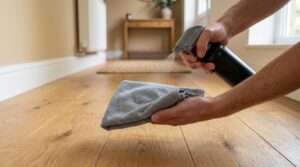
This step is the fastest way to start removing sticky residue without flooding boards. Instead of spraying the floor, apply product to the cloth.
How to do it:
Use a microfiber cloth or microfiber mop pad.
Lightly apply a hardwood-safe cleaner to the cloth, not directly to the floor.
Wipe a small section, following the grain.
Immediately follow with a clean, barely damp cloth to pick up loosened residue.
Finish with a dry microfiber cloth to buff and speed drying.
This three-part wipe (clean, light rinse, dry buff) is what removes film instead of spreading it.
What’s safe:
Small sections, light moisture, and quick drying.
Frequent cloth changes so you aren’t redepositing residue.
What’s risky:
Using a dripping mop head.
Letting cleaner sit and dry on the surface.
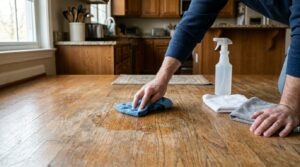
If sticky residue is widespread, you need a residue reset, not stronger soap. A controlled rinse pass removes leftover cleaner and film so the floor stops feeling tacky.
Use this method:
Fill a spray bottle with clean warm water.
Mist a small section lightly, about 4 feet by 4 feet.
Wipe immediately with a clean microfiber pad to lift residue.
Follow right away with a dry microfiber pad to buff and remove moisture.
This “mist-wipe-buff” approach is safer than bucket mopping because it controls how much water touches the floor and prevents puddles in seams.
What’s safe:
Light mist only, immediate wipe, and dry buff.
Changing pads often so you don’t redeposit film.
What’s risky:
Dumping water on the floor.
Letting water sit along baseboards or between boards.
Many sticky floors in Donelson, Tennessee come from “shine” products, oil soaps, and restorers. These products can leave a coating that feels slick at first and sticky later. They also attract dust, which creates a dull, tacky layer after a few cleaning cycles.
To lift this type of film:
Use a hardwood-safe cleaner designed to be residue-free, applied to microfiber.
Work in small sections with the grain.
Follow with a controlled rinse wipe using clean water.
Dry buff each section before moving on.
You may need to repeat this for a few sessions if buildup is heavy. The key is gentle repetition, not aggressive scrubbing. Strong scrubbing can dull the finish and make the floor look uneven.
What’s safe:
Multiple light passes over time.
Microfiber pads changed frequently.
What’s risky:
Abrasive pads, steel wool, or scraping tools.
Adding more polish to “even it out,” which thickens the coating.
Sticky residue is often worst where spills, oils, and traffic overlap. Kitchens and entryways need a tighter technique.
Two-cloth technique:
Cloth 1: lightly damp microfiber with hardwood-safe cleaner. Wipe with the grain.
Cloth 2: clean microfiber dampened with plain water. Wipe to remove remaining residue.
Finish: dry microfiber cloth to buff and speed drying.
This method prevents the common mistake of leaving cleaner behind. If the floor still feels tacky after drying, it means residue is still present, and the next step is a controlled rinse pass again, not more cleaner.
What’s safe:
Cleaner wipe, water wipe, dry buff in every section.
Keeping moisture low.
What’s risky:
Over-saturating the sticky spot and spreading it outward.
Sticky floors often feel worse as they dry unevenly. Faster drying helps residue lift fully and prevents new streaks.
Drying setup that works well:
Turn on ceiling fans.
Run HVAC fan mode if possible.
Avoid humid open windows if outdoor air feels damp.
Keep pets and shoes off the floor until fully dry.
In Donelson, Tennessee, humidity can make coatings feel tacky again even after cleaning. Fast, even drying reduces that effect and helps the floor feel smoother.
After your reset steps, test the floor:
Walk in clean socks and check for drag.
Look at the floor in window light for cloudy swirls.
Run your hand lightly across the surface to see if it feels smooth or tacky.
If the floor feels smoother but still shows a little haze, you likely removed some film but not all. Repeat a controlled rinse and dry buff on the worst lanes. If the floor stays sticky no matter what, heavy buildup may require professional help.
Mid-blog booking nudge:
If sticky residue keeps returning or the film feels too stubborn to remove safely, scheduling professional Hardwood Floor Cleaning can help reset the finish without risking damage from stronger DIY products.
You can learn more about our local hardwood service here and book quickly.
DIY is great for light residue and routine maintenance. Professional service is the safer move when:
The floor stays tacky after multiple controlled rinse passes.
You suspect years of polish or oil soap buildup.
The floor looks cloudy in sunlight and never clears.
You’re unsure of the finish type and don’t want to risk dulling it.
Sticky spots keep spreading despite careful methods.
Professional Hardwood Floor Cleaning can remove residue with controlled methods and help you get back to a routine that doesn’t recreate buildup.
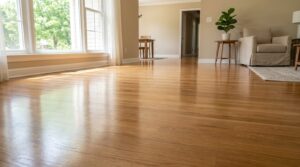
Hardwood Floor Cleaning that removes residue changes how your home feels. Floors feel smoother, socks slide normally, and the surface looks more even. This is not a medical promise. It’s a comfort improvement. When residue is gone, the floor stops grabbing dust and stops looking dull again right after you mop.
Sticky film often shows up as cloudy swirls and footprints, especially in bright Donelson, Tennessee window light. Removing buildup creates a more uniform finish. It also helps traffic lanes look less gray and more consistent with the rest of the floor.
Residue acts like glue. Dust sticks, then more dirt sticks to the dust, and the floor looks dirty faster. Removing that film makes routine dust mopping more effective because microfiber can lift debris without fighting a tacky layer.
When people fight sticky floors, they often scrub harder or use stronger products. That can dull the finish over time. A proper Hardwood Floor Cleaning reset protects the finish because it removes buildup gently and reduces the need for aggressive DIY methods later.
Once the residue is removed, your normal routine becomes easier. You use less cleaner, you mop less often, and the floor stays more consistent between cleanings. That saves time and reduces the frustration of feeling like the floor never truly looks clean.
Hardwood Floor Cleaning in Donelson, Tennessee works best when your routine prevents buildup. Sticky residue usually returns because the weekly mop leaves a little product behind each time. Over weeks, that becomes a film.
A simple residue-free routine:
Dry mop with microfiber 3–5 times per week in busy areas.
Damp clean only when needed, using a hardwood-safe cleaner in a very small amount.
Follow damp cleaning with a quick dry buff in sunny rooms and traffic lanes.
Skip “shine enhancers” and “restorers” unless your floor manufacturer requires them. Most of the time, those products are the reason floors start feeling tacky.
Sticky floors often happen because the mop pad is dirty and keeps spreading residue. Microfiber is better than string mops because it uses less water and lifts film more effectively. However, the pad must be clean.
Practical pad habits:
Use multiple pads per cleaning session.
Swap pads when they start looking gray.
Rinse and wring pads thoroughly if you reuse them.
Keep a separate dry buff pad for the final pass.
This keeps Hardwood Floor Cleaning results consistent and prevents that “cleaned it, now it feels sticky” problem.
Donelson, Tennessee kitchens often develop an invisible grease film from cooking, even if you wipe counters daily. Entryways collect fine grit and outdoor debris. When grease film mixes with grit, it creates the perfect sticky layer.
How to handle these zones:
Dry mop more often in these areas.
Use the cleaner-on-cloth method for sticky spots.
Do a quick water wipe and dry buff after cleaning to prevent film.
If your floor feels tacky mainly in the kitchen path, it’s usually grease film plus product residue. Less product, better rinsing, and quicker drying is the fix.
A lot of DIY tips online recommend harsh or risky methods. For Hardwood Floor Cleaning, harsh products can dull the finish, and too much water can seep into seams.
Safer choices:
pH-neutral hardwood floor cleaners designed for finished wood
microfiber cloths and pads
controlled water mist for rinse wiping
gentle spot testing first
Risky choices:
ammonia, bleach, harsh degreasers
abrasive pads or scraping tools
steam cleaning on wood floors
heavy vinegar routines used frequently
HGTV’s hardwood floor care guidance reinforces these general principles of gentle methods and avoiding overly wet cleaning.
Sticky residue should not be a permanent problem. If it comes back quickly after you remove it, something in the routine is rebuilding film or the old buildup is thicker than DIY methods can safely remove.
Gentle scheduling reminder:
If you’ve reduced product, switched to microfiber, and done controlled rinse passes but the floor still feels tacky, professional Hardwood Floor Cleaning is the safer next step. It removes buildup without you needing to guess with stronger chemicals. You can schedule online now and learn more about the service here.
Hardwood Floor Cleaning in Donelson, Tennessee is most successful when the residue is removed, not covered. A lot of floors stay sticky because people keep adding polish or cleaner to “fix” the look. That creates thicker film and more tackiness. Our approach focuses on residue removal and an even finish, which helps floors feel smooth and look consistent.
Too much water is a common reason sticky floors get worse. Moisture spreads residue and can settle into seams if it’s excessive. We keep moisture controlled and purposeful, and we focus on quick drying so the finish looks even after the floor dries.
Our company has more than 30 years of experience built on customer care and strong values. We bring that same mindset into Donelson, Tennessee homes with family-safe, practical methods. Floors are daily-use surfaces. We treat your home with care and keep our process focused on comfort and lasting results.
Sticky hardwood is frustrating because it feels like nothing works. We aim to remove the guesswork by identifying what’s causing the tacky layer, addressing it safely, and giving you a routine that won’t recreate the problem. If you want a smooth finish that stays easier to maintain, a professional reset can make a big difference.
Sticky floors after cleaning almost always mean residue is still present or the floor is drying with film. Common causes include using too much cleaner, using a mop that spreads dirty water, or having older buildup from polish or oil soap that routine mopping can’t remove. In Donelson, Tennessee, humidity can make coatings feel tackier, especially in kitchens and sunny rooms. For Hardwood Floor Cleaning, the best fix is usually a controlled rinse pass. Lightly mist clean water, wipe immediately with microfiber, then dry buff. If the floor still feels tacky after multiple controlled rinses, the buildup layer may be thicker than DIY methods can safely handle. In that case, professional cleaning is often the safer path than trying stronger chemicals that could dull the finish.
The safest method is low-moisture, microfiber-based, and section-by-section. Dry mop first to remove dust and grit. Then use the cleaner-on-cloth method: apply a small amount of hardwood-safe cleaner to a microfiber cloth, wipe with the grain, then wipe again with a clean cloth dampened with plain water to remove residue, followed by a dry buff. For Hardwood Floor Cleaning, the goal is to lift film off the finish without soaking seams. Avoid pouring solution directly on the floor, avoid string mops that stay wet, and avoid aggressive scrubbing. If you can remove tackiness from one small test area, you can repeat the same method across the worst zones gradually.
Vinegar can cut some residue, but it’s not always the best choice for hardwood finishes, especially when used frequently or too strong. Vinegar can create uneven results and contribute to dullness over time on certain finishes. For Hardwood Floor Cleaning in Donelson, Tennessee, a pH-neutral cleaner made for finished hardwood is usually a safer and more consistent choice. If you use vinegar occasionally, keep it very diluted, use minimal moisture, and always dry buff. Vinegar will not reliably remove heavy polish buildup and can make film patterns more noticeable if the floor is not wiped and dried evenly.
Dull plus sticky is a classic sign of product film. The floor may have layers of cleaner residue, oil soap, or “shine” products that trap dust and create a hazy look. When you mop, you spread that film and it dries into swirls or streaks, especially in sunlight. In Donelson, Tennessee, kitchen grease film can add to this and make the surface feel tackier. For Hardwood Floor Cleaning, the fix is not more product. It’s residue removal. Use controlled rinse passes, microfiber pickup, and dry buffing. If the film has built up for years, professional cleaning can remove it more safely and evenly than DIY experiments.
Avoid oil soaps, waxes, polishes, and “restorer” products unless your floor manufacturer specifically recommends them. These products often leave coatings that trap dust and become sticky over time. Avoid harsh degreasers, ammonia, bleach, and abrasive pads because they can damage or dull the finish. Steam cleaning is also risky for hardwood because moisture and heat can affect seams and finishes. For Hardwood Floor Cleaning, stick with residue-free, hardwood-safe products used sparingly and focus on microfiber plus quick drying. If the floor feels tacky after drying, reduce product and increase controlled rinsing.
Most homes do well with frequent dry dust mopping and light damp cleaning only as needed. In Donelson, Tennessee, busy entryways and kitchens benefit from dry microfiber passes several times a week to prevent grit from mixing with residue. Damp cleaning can be weekly or less, depending on traffic, but it should be low moisture and low product. The more product you use, the more likely buildup becomes. If you use a residue-free routine and dry buff occasionally, sticky buildup becomes much less likely. If your floor has a history of polish products, you may need an initial reset to get back to a clean baseline.
Schedule professional help when stickiness returns quickly after you clean, when the floor feels tacky in multiple rooms, or when haze and dullness won’t clear even after controlled rinse passes. Professional service is also a smart move if you suspect years of buildup and you don’t want to risk damaging the finish with stronger DIY methods. Professional Hardwood Floor Cleaning can reset the finish and give you a routine that keeps floors smooth and easier to maintain.
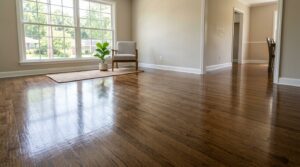
Hardwood Floor Cleaning in Donelson, Tennessee should not leave your floors feeling sticky. That tacky feeling is usually cleaner residue, polish buildup, or dirty water drying on the finish. The fix is a controlled, quick-drying approach: dry mop first, use cleaner sparingly, lift residue with microfiber, rinse lightly with clean water, and dry buff so the finish dries evenly. Avoid “shine” products that leave coatings and avoid over-wetting, especially along seams and baseboards.
If you’ve tried the low-moisture steps and the stickiness keeps returning, the buildup layer may be thicker than DIY methods can safely remove. A professional reset can remove the film evenly and protect your finish while restoring a clean baseline. Schedule an appointment with Safe-Dry Carpet Cleaning of Donelson, Tennessee today. We’ll help you get hardwood floors that feel smooth, look cleaner in sunlight, and stay easier to maintain.