Menu
Same-Day Service Available!
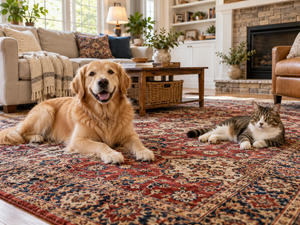
Living with pets brings plenty of happiness, but it also comes with a few cleaning challenges. Whether a dog enjoys sleeping on the living room rug or a cat has claimed a favorite corner as its resting spot, oriental rugs often become part of everyday pet activities. Over time, pet hair, muddy paws, accidental spills, and lingering odors can affect the appearance and cleanliness of these beautiful floor coverings.
Unlike ordinary synthetic carpets, many oriental rugs are made from natural materials such as wool, silk, and cotton. Their intricate patterns, traditional dyes, and delicate construction often require special attention. When pet accidents happen, improper cleaning methods can cause stains to spread, colors to bleed, or moisture to become trapped within the fibers. As a result, the rug may develop unpleasant odors or experience unnecessary wear.
For homeowners in Donelson, TN, 37214, oriental rug cleaning is an important part of maintaining a comfortable home where pets and family members can enjoy spending time together. A well-maintained rug adds warmth and personality to a room, while proper cleaning helps reduce accumulated dirt, pet hair, and unwanted residue.
However, keeping an oriental rug clean does not mean pets need to be kept away from it completely. With regular maintenance, careful stain treatment, and appropriate professional care, many rugs can remain attractive while still being enjoyed by the entire household.
At Safe-Dry®, we understand that pets are part of the family. With more than 30 years of experience in household cleaning, our focus has remained on helping homeowners maintain fresh, comfortable living spaces. Our cleaning approach emphasizes family-friendly solutions, careful treatment, and methods selected according to the material being cleaned.
Professional oriental rug cleaning can be especially helpful when pet-related stains and odors become difficult to remove through routine maintenance. However, the condition, fiber type, and construction of each rug should be considered before treatment begins.
This guide explains how pet hair, accidents, odors, and everyday activity affect oriental rugs. Practical cleaning steps, prevention tips, and professional care recommendations are also included to help homeowners protect their rugs without giving up the comfort of living with pets.
Oriental rugs are appreciated for their beautiful patterns, detailed craftsmanship, and lasting appeal. Many are handmade using traditional weaving techniques, while others are machine-produced using designs inspired by classic styles. Regardless of how they are made, their materials and construction can influence how they respond to everyday dirt and cleaning treatments.
Wool is commonly used in oriental rugs because of its natural resilience, warmth, and comfortable texture. However, wool fibers can absorb moisture and may be affected by unsuitable chemicals or excessive heat. Silk is generally more delicate and can be sensitive to moisture, friction, and changes in appearance. Cotton is often used in rug foundations, where prolonged dampness can contribute to distortion or other problems.
These differences become especially important in homes with pets. When a pet accident occurs on a standard synthetic carpet, certain stain removal products may be suitable. However, the same products should not automatically be used on an oriental rug containing natural fibers or traditional dyes.
Pet urine can create particular challenges because it may travel beneath the visible surface of the rug. Depending on the construction, moisture can reach the foundation, backing, and flooring underneath. Once the liquid dries, residues may remain and contribute to persistent odors.
Another concern involves the way pet hair and outdoor debris collect between rug fibers. Dogs and cats naturally shed hair and dander, which may settle into densely woven areas. Dirt carried inside on paws can also become trapped in the pile. As foot traffic continues, small particles may move deeper into the rug and become harder to remove through ordinary vacuuming.
The age and condition of the rug must also be considered. A newer wool rug may tolerate gentle maintenance more easily than an antique piece with weakened threads or previous repairs. Loose fringe, worn edges, and unstable dyes can make cleaning more complicated.
For these reasons, oriental rug cleaning should be approached differently from routine carpet cleaning. The goal is not simply to remove visible dirt as quickly as possible. Instead, cleaning methods should be chosen carefully to protect the rug while addressing unwanted stains, odors, and debris.
Pet hair is one of the most common cleaning concerns in households with dogs and cats. Even pets that receive regular grooming naturally shed hair throughout the year. Some breeds shed seasonally, while others release small amounts of hair almost every day.
When pets spend time resting or playing on an oriental rug, loose hair can become caught between the fibers. Unlike smooth flooring, a woven rug provides many small spaces where hair and debris may settle. As more hair accumulates, the rug may begin to look dull or less evenly maintained.
Pet dander can also collect within the pile. Dander consists of tiny particles of shed skin, and it may remain on household textiles even after visible hair has been removed. Routine cleaning can help reduce this accumulation, although no cleaning method can guarantee complete allergen removal.
Outdoor dirt adds another layer of buildup. Dogs returning from walks may carry dust, grass, or soil on their paws. Cats may transfer litter particles or other debris from different areas of the home. As these materials become mixed with pet hair, they can settle deeper into the rug.
In heavily used areas, this buildup may affect the rug's texture and appearance. Fine particles can contribute to abrasion when pressure is repeatedly applied through walking or furniture movement. For older rugs, long-term soil accumulation may increase wear in already vulnerable areas.
Gentle vacuuming can help manage loose pet hair before it becomes deeply embedded. However, the vacuum setting should be suitable for the rug's construction. Aggressive rotating brushes may pull at delicate fibers or damage fringe.
For particularly fragile rugs, specialist guidance may be needed before regular vacuuming is attempted. A cleaning method that works well for one oriental rug may not be suitable for another.
By managing pet hair consistently, homeowners can reduce visible buildup and make periodic professional oriental rug cleaning more effective.
Pet urine is one of the most challenging substances to remove from woven floor coverings. While a fresh accident may appear limited to a small surface area, the liquid can spread through multiple layers before it is noticed.
When urine reaches an oriental rug, some moisture may be absorbed into the visible pile. Depending on the rug's thickness and construction, additional liquid can travel toward the foundation and backing. If the rug rests directly on hardwood or another absorbent surface, the flooring underneath may also be affected.
As urine dries, dissolved compounds can remain in the textile. These residues may continue producing odors, particularly when humidity increases or moisture is introduced again. Surface cleaning alone may not remove contamination that has reached deeper layers.
The age of the stain also matters. Fresh urine is generally easier to address than an accident that has remained untreated for several days or weeks. Older contamination may have affected the fibers, dyes, or underlying materials.
Cat urine removal can be particularly challenging because strong odors may persist after visible moisture disappears. Dog urine removal may involve similar concerns, especially when repeated accidents occur in the same area.
The Carpet and Rug Institute's information about pet urine and carpet explains that urine can cause different types of staining and damage, and some discoloration may become permanent. Although the guidance is useful for understanding urine-related problems, delicate oriental rugs may require additional precautions.
Household pet odor eliminator products should not be applied without checking compatibility. Some formulas are intended for synthetic carpets and may contain ingredients unsuitable for wool, silk, or unstable dyes.
When urine contamination has penetrated deeply, professional pet urine removal may be necessary. However, the rug should be assessed before treatment so that an appropriate method can be selected.
Quick attention can make a meaningful difference when a pet accident occurs. Although complete stain removal cannot always be guaranteed, prompt and careful action may reduce the amount of contamination that spreads through the rug.
The most important rule is to avoid aggressive scrubbing or soaking. Natural fibers and traditional dyes may react poorly to excessive moisture, strong detergents, and repeated friction.
The following steps provide a cautious approach for dealing with fresh accidents while protecting delicate rug materials.
If the accident involves solid waste, the material should be removed gently before any additional cleaning is attempted. A spoon or another smooth-edged tool may be used to lift the material without pressing it deeper into the fibers.
Rubbing should be avoided because the contamination may spread across a larger area. Disposable gloves can be used when handling pet waste, and the surrounding area should be kept clear until cleanup is complete.
Once the solid material has been removed, the remaining stain can be evaluated to determine whether blotting is appropriate.
Fresh liquid should be absorbed as quickly as possible using a clean white towel or absorbent paper towels. Gentle pressure should be applied to the affected area, allowing the cloth to collect moisture without disturbing the fibers.
Blotting should begin near the outside of the spill and move toward the center. This approach may help limit spreading.
Colored towels should generally be avoided because dyes from the fabric could transfer when moisture is present. A clean white cloth also makes it easier to see how much residue is being absorbed.
After excess moisture has been removed, homeowners may be tempted to apply vinegar, bleach, baking soda, or a commercial pet stain remover. However, these products should not be used automatically on oriental rugs.
Some natural fibers can be affected by cleaning chemistry, while certain dyes may become unstable when exposed to moisture or unsuitable solutions. Products that perform well on synthetic carpeting may not be appropriate for handmade wool or silk rugs.
If the rug's material or dye stability is unknown, additional chemical treatment should be postponed until professional guidance is obtained.
When an accident involves a significant amount of liquid, the area underneath the rug should also be inspected if it can be done safely.
Urine may pass through the rug and reach the pad or floor. If these materials remain contaminated, odors may continue even after the visible rug surface has been cleaned.
A wet rug should not be returned to the floor before appropriate drying has been completed. Prolonged dampness may affect both the textile and the surrounding flooring.
Airflow may help manage surface moisture, but a heavily soaked rug should be evaluated promptly by a qualified cleaner. Excessive heat should be avoided because it may affect natural fibers, dyes, or construction.
If the accident occurred on a valuable, antique, or silk rug, professional advice should be obtained before further treatment is attempted.
A rug that continues producing an odor after drying may contain deeper contamination that requires specialized cleaning.
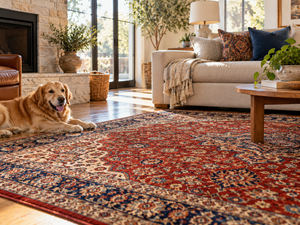
One of the most frustrating problems for pet owners is a rug that smells fresh immediately after cleaning but develops the same unpleasant odor several days later. This can happen when the source of the odor has not been fully addressed.
Pet urine may penetrate through the pile and reach the foundation of an oriental rug. If cleaning is limited to the visible surface, some contamination may remain inside the textile. As moisture levels change, lingering residues can become noticeable again.
The rug pad and flooring underneath can also contribute to recurring odors. If urine has reached these materials, cleaning only the rug may not address the entire problem.
Another common issue involves fragrance-based products. Some household cleaners temporarily cover unpleasant smells with added scents. Although the room may smell fresher at first, the underlying contamination may remain.
Effective pet odor removal focuses on identifying and treating the source rather than relying entirely on fragrance. Depending on the rug's materials and construction, specialized cleaning methods may be needed to address residues that ordinary surface treatments cannot reach.
Professional oriental rug cleaning may help improve odor problems when the contamination can be treated safely. However, persistent urine damage may not always be completely reversible.
The cleaning provider should explain the likely cause of the odor, the proposed treatment, and any limitations before work begins. Valuable or fragile rugs may require an individualized cleaning plan.
Vacuuming is one of the most useful maintenance habits for homes with pets. Regular removal of loose hair, dust, and debris can help prevent particles from becoming deeply embedded in rug fibers.
However, oriental rugs should not always be vacuumed in the same way as ordinary synthetic carpeting. Handmade construction, delicate fringe, and worn areas may require a gentler approach.
For many sturdy oriental rugs, gentle vacuuming approximately once or twice a week may be appropriate in homes with pets. Rugs exposed to heavy shedding or frequent traffic may need additional attention, while fragile antique rugs may require a less intensive routine.
A suction-only setting is often preferable when aggressive brush agitation could damage fibers. Before vacuuming, the rug should be inspected for loose threads, weak areas, or damaged edges.
Vacuuming should be performed slowly and carefully, without repeatedly pulling against the pile. Fringe should be kept away from rotating brush attachments because it can become tangled or damaged.
When pet hair remains on the surface after vacuuming, a soft tool approved for the rug material may sometimes help. However, sticky rollers, aggressive rubber brushes, and repeated scraping should not be used on delicate textiles without confirming that they are safe.
The underside of the rug and the rug pad should also be checked periodically. Dust and debris may collect in these areas, particularly when the rug receives frequent traffic.
The Carpet and Rug Institute's cleaning and maintenance guidance recommends regular vacuuming and prompt attention to pet messes. For oriental rugs, these general maintenance principles should be adapted to the rug's specific construction and condition.
Pets that enjoy spending time outdoors often bring small amounts of dirt back into the home. Even when their paws appear clean, fine particles of soil may remain between the pads or around the fur.
When these particles reach an oriental rug, they can settle between the yarns and become trapped in the pile. Over time, repeated foot traffic may press the debris deeper into the textile.
Muddy paws create an additional problem because soil becomes mixed with moisture. If the mud is rubbed while wet, staining may spread across a larger area. When the mud dries, small particles may remain within the fibers.
A practical solution begins near the entrance. Washable mats can be placed by frequently used doors to collect some of the dirt before pets enter living spaces.
A clean towel can also be kept nearby so muddy paws can be gently wiped after walks. This simple habit can reduce the amount of outdoor debris carried onto rugs, carpets, and furniture.
If mud reaches an oriental rug, the affected area should be allowed to dry when appropriate, provided no other contaminant requires urgent treatment. Loose dried soil may then be removed carefully with suitable suction. Rubbing wet mud should be avoided because it can spread the stain.
For delicate or heavily soiled rugs, professional evaluation may be preferable to repeated home scrubbing.
Reducing tracked-in dirt helps protect the rug from unnecessary abrasion and supports a cleaner household environment.
Wool is a popular material for oriental rugs because it offers warmth, softness, and resilience. Many wool rugs are designed to handle ordinary household use, making them attractive additions to living rooms and family spaces.
However, wool still requires careful maintenance, especially when pets regularly spend time on the rug.
Pet hair may become caught between wool fibers, while outdoor dirt can gradually accumulate within the pile. Accidental spills may also affect the appearance of the rug if moisture and residue are allowed to remain.
Wool is a natural protein-based fiber, and certain chemicals can damage its structure. Strong alkaline cleaners, harsh detergents, and excessive heat may affect the rug's texture or appearance.
The dyes used in wool rugs can also influence cleaning decisions. Some traditional dyes may be sensitive to water or cleaning products, creating a risk of color bleeding when unsuitable methods are used.
When a pet accident occurs, immediate gentle blotting is generally preferable to scrubbing. Additional cleaning products should not be applied without confirming compatibility.
Professional oriental rug cleaning should consider the wool fibers, dye stability, foundation, and overall condition of the rug before treatment begins.
With appropriate maintenance, many wool rugs can continue providing comfortable spaces for both family members and pets without requiring constant intensive cleaning.

Silk and antique oriental rugs often require greater care than newer wool or synthetic rugs. Their delicate fibers, detailed construction, and potential historical value can make improper cleaning especially risky.
Silk rugs are often recognized for their smooth texture and refined patterns. However, silk fibers may be sensitive to moisture, friction, and certain cleaning products. Even a small amount of aggressive scrubbing can affect the surface appearance of some silk rugs.
Antique rugs may have additional vulnerabilities. Years of use can weaken fibers, loosen knots, or affect the foundation. Previous repairs and natural aging may also influence how the textile responds to cleaning.
Pet accidents involving these rugs should be handled with particular caution. Excess moisture, harsh chemicals, and inappropriate stain removers may cause damage that cannot easily be corrected.
If a valuable rug has been affected by urine or another significant spill, the safest approach is often to seek professional advice promptly.
In some situations, a specialized rug-cleaning facility or textile conservator may be more appropriate than routine household cleaning. The American Institute for Conservation provides resources related to preserving valuable textiles and identifying qualified conservation professionals.
For treasured family rugs, preservation should always be considered alongside stain and odor removal. The goal is to address contamination while protecting the materials that make the rug special.
Professional oriental rug cleaning should begin with an assessment of the rug rather than immediate application of a standard cleaning solution.
The rug's fiber content, construction, age, dye stability, and existing condition should be evaluated. Pet-related stains and odors should also be identified so the source and extent of contamination can be considered.
During the inspection, areas with visible discoloration, damaged fringe, worn fibers, and previous repairs may be noted. These details help determine which cleaning method is appropriate.
If moisture-based treatment is being considered, dye stability testing may be performed to identify potential color transfer. Rugs with unstable dyes or weakened construction may require modified treatment or referral to a specialist.
Dry soil removal is another important part of the process. Depending on the rug's condition, controlled vacuuming or specialized dust-removal equipment may be used to address embedded particles.
Pet stains may then be evaluated individually. Fresh accidents, older urine deposits, food stains, and muddy paw marks do not necessarily respond to the same cleaning method.
A suitable cleaning technique should be selected according to the material and the type of contamination. Some rugs may be compatible with controlled low-moisture methods, while others may require specialized washing in a dedicated facility.
Odor treatment must also account for the extent of contamination. When urine has reached the foundation or backing, surface treatment alone may not be sufficient.
Drying should be carefully managed whenever moisture is used. A rug should not be returned to normal household use until the textile is appropriately dry.
At Safe-Dry® Carpet Cleaning of Donelson, oriental rug cleaning and pet odor and stain removal are among the available services. Homeowners can discuss the condition of their rugs and request information about appropriate treatment options before scheduling.
Professional pet stain and odor removal can be helpful when ordinary household cleaning no longer addresses the problem.
One advantage is the ability to evaluate the source of contamination. Instead of focusing only on the visible stain, a professional may consider whether moisture has reached the rug foundation, backing, pad, or flooring underneath.
Another benefit is the selection of cleaning methods based on the material. Oriental rugs may contain natural fibers or traditional dyes that require more careful treatment than synthetic carpeting.
Professional equipment may also help remove embedded debris that routine vacuuming cannot reach. However, the cleaning method should always be suitable for the rug's construction and condition.
Odor treatment can be particularly valuable in homes where repeated pet accidents have occurred. When residue remains beneath the surface, fragrance sprays may provide only temporary improvement.
A qualified cleaner can help determine whether the contamination is treatable and explain the expected results. Some stains and odors may improve significantly, while others may leave permanent discoloration or damage.
For pet owners in Donelson, professional cleaning provides an opportunity to address difficult rug problems while receiving guidance on future maintenance.
There is no single cleaning schedule that works for every oriental rug. The right frequency depends on the rug's material, household activity, amount of pet hair, and exposure to stains or moisture.
A rug placed in a quiet room may remain in good condition longer than one located in a busy living space where pets regularly rest and play.
For many regularly used rugs, professional cleaning every one to three years may be a reasonable general starting point. However, homes with several pets or frequent accidents may require more frequent evaluation.
Visible dirt is not the only consideration. Changes in texture, lingering odors, accumulated pet hair, and repeated spills may indicate that the rug needs attention.
Routine vacuuming helps manage loose debris, but it may not remove deeply embedded soil or contamination that has reached the foundation.
Fragile antique rugs may require a more conservative cleaning schedule. Unnecessary treatments can expose delicate materials to additional handling and moisture, so professional advice should guide maintenance decisions.
Instead of cleaning according to a strict calendar, homeowners should monitor the rug's condition and address problems as they develop.
This approach helps balance cleanliness, comfort, and long-term preservation.
Preventing pet-related buildup is often easier than trying to remove old stains after they have become deeply embedded.
One helpful habit is maintaining a regular grooming schedule. Brushing pets can reduce the amount of loose hair that settles onto rugs and furniture. Grooming frequency should be appropriate for the animal's breed, coat type, and individual needs.
Paws should also be checked after outdoor activities. A towel near the entrance can help remove mud and moisture before pets walk across delicate rugs.
Pet feeding stations may benefit from washable mats that collect spilled food and water. These mats should be cleaned regularly and allowed to dry so moisture is not trapped against the floor.
If a pet repeatedly has accidents in the same area, the cause should be investigated. Changes in behavior may be associated with training needs, stress, or medical concerns. A veterinarian can help evaluate unexpected or recurring accidents.
Temporary barriers or washable coverings may be useful while a pet is being trained. However, coverings should not trap moisture or cause damage to the rug.
Regular rug inspections are also recommended. Areas where pets frequently rest should be checked for hair buildup, dirt, and unnoticed stains.
By combining these habits with appropriate oriental rug cleaning, homeowners can reduce recurring problems and maintain a more comfortable environment.
Where an oriental rug is placed can influence how quickly it becomes dirty.
A rug positioned near an exterior door may receive more outdoor soil, while one placed beneath a dining table may be exposed to food spills. Rugs in family rooms often experience the greatest combination of foot traffic, pet activity, and everyday use.
For particularly delicate or valuable rugs, a lower-traffic location may be preferable. Antique silk rugs, for example, may be better suited to rooms where heavy pet activity is limited.
Sturdy wool rugs may be more practical for frequently used living spaces, although their condition and construction should still be considered.
A suitable rug pad can help reduce slipping and unnecessary movement. It should be compatible with the flooring underneath and inspected periodically for moisture or debris.
Furniture placement also matters. Heavy objects can compress fibers over time, while dragging furniture across a rug may damage the pile.
Rotating the rug periodically may help distribute wear from foot traffic and sunlight more evenly. However, rotation should be performed carefully, particularly when the rug is large or fragile.
Choosing an appropriate location allows the rug to remain part of family life while reducing avoidable wear.
Many rug cleaning problems begin with well-intentioned home treatments. When a pet accident occurs, it can be tempting to use whatever cleaning product is already available.
However, oriental rugs may respond differently from ordinary synthetic carpeting, and certain mistakes can cause additional damage.
One common problem is excessive moisture. Pouring water onto a stain may spread contamination through the pile and foundation. When drying is incomplete, lingering dampness may contribute to odors or other problems.
Another mistake involves aggressive scrubbing. Rubbing can disturb delicate fibers, spread stains, and create visible changes in texture.
Using unsuitable cleaning chemicals is also risky. Bleach, strong detergents, and certain stain removers may affect wool, silk, or traditional dyes.
Pet odor eliminator sprays should not be assumed safe simply because they are labeled for use on carpet. The ingredients and treatment instructions should be checked against the rug's materials.
Excessive heat can create additional concerns. Steam cleaning or hot-water treatment should not be used without confirming that the rug can tolerate the method.
Finally, homeowners sometimes overlook contamination beneath the rug. If urine has reached the pad or flooring, cleaning only the visible surface may leave the source of the odor untreated.
Avoiding these mistakes can help preserve the rug while improving the chances of successful professional treatment.
The cost of oriental rug cleaning depends on several factors, including rug size, fiber content, construction, condition, and the extent of contamination.
A small machine-made rug may require less specialized handling than a large handmade wool rug. Antique or silk rugs may require additional evaluation and more cautious treatment.
Pet stains can also affect pricing. A rug with ordinary surface dirt may need a different cleaning process from one affected by repeated urine accidents.
The location of contamination matters as well. If moisture has reached the backing or foundation, additional treatment may be needed. In some cases, the rug pad or surrounding flooring may also require attention.
When comparing carpet cleaning prices, homeowners should remember that professional oriental rug cleaning may involve different equipment and treatment requirements from standard wall-to-wall carpet cleaning.
Affordable carpet cleaning is important for many families, but the lowest advertised price may not include specialty rug care or pet odor treatment.
A written carpet cleaning estimate or rug cleaning quote should explain the proposed services, any additional treatments, and relevant limitations.
Homeowners can explore the available cleaning options through Safe-Dry® of Donelson and ask about current pricing, service availability, and applicable cleaning specials.
Although rugs and carpets collect similar household debris, they may require different cleaning methods.
Wall-to-wall carpet is commonly manufactured using synthetic fibers and installed over padding. Many professional carpet cleaning services use methods designed specifically for these materials.
Oriental rugs may contain wool, silk, cotton foundations, and traditional dyes. Their construction can make certain types of moisture, heat, or agitation unsuitable.
For this reason, a carpet cleaner should not automatically apply standard carpet cleaning techniques to every oriental rug.
Before cleaning begins, the rug should be inspected to determine whether on-site treatment is appropriate or whether specialized off-site cleaning may be required.
The same distinction applies to pet urine carpet cleaning. A method used for synthetic carpeting may not be appropriate for a handmade rug, particularly when dyes or fragile fibers are involved.
Homeowners searching for carpet cleaning in Donelson, TN, should ask whether the provider offers oriental rug cleaning and how delicate materials are evaluated.
At Safe-Dry® of Donelson, professional carpet cleaning, area rug cleaning, oriental rug cleaning, upholstery cleaning, and pet odor and stain removal are offered as part of the local cleaning services.
By selecting treatment according to the surface, homeowners can better protect their rugs and furnishings while maintaining cleaner living spaces.
The condition of the flooring beneath an oriental rug is often overlooked, especially when the visible surface appears clean.
However, pet accidents can sometimes penetrate the rug and reach the pad or floor below. When this happens, lingering odors may continue even after the rug has received surface treatment.
Rug pads can also collect dust, pet hair, and debris over time. If moisture becomes trapped between the rug and flooring, drying may be delayed.
For this reason, the rug pad should be inspected periodically. Any signs of dampness, discoloration, or unusual odors should be addressed promptly.
Hardwood flooring requires particular attention because prolonged moisture exposure may affect the finish or wood itself.
If significant urine contamination has reached the flooring, appropriate cleaning or repair may be necessary. Simply replacing the rug pad without addressing the underlying surface may not completely resolve the problem.
The Environmental Protection Agency's guidance on moisture and mold prevention highlights the importance of controlling dampness and addressing water-related problems promptly.
Keeping the area beneath a rug clean and dry supports both textile preservation and general floor maintenance.
Homes with more than one pet often experience faster accumulation of hair, dander, and tracked-in debris. Different animals may also have different habits, making consistent maintenance especially valuable.
One pet may enjoy sleeping on the oriental rug, while another frequently walks through the room after outdoor activities. As these behaviors overlap, the rug can become exposed to several sources of soil throughout the day.
A realistic maintenance routine should focus on preventing buildup rather than attempting to keep every surface spotless at all times.
Regular grooming helps reduce loose hair, while washable entry mats can collect outdoor debris. Pet bedding should also be cleaned according to its care instructions so accumulated dirt is not continually transferred onto surrounding surfaces.
Frequently used rugs may need more regular gentle vacuuming, provided the material can tolerate it. Furniture and nearby upholstery should also be maintained because pet hair and debris can move between surfaces.
Professional upholstery cleaning and carpet cleaning may be useful when household textiles have developed noticeable soil or odors. However, each surface should receive a treatment suitable for its materials.
For oriental rugs, special attention should be given to recurring accidents, dampness, and areas where pets repeatedly rest.
The goal is to create a comfortable home where pets can enjoy daily activities without allowing dirt and residue to accumulate unnecessarily.
Yes. Many oriental rugs can be professionally cleaned using methods appropriate for their fibers, dyes, and construction. However, cleaning should begin with an assessment of the rug's condition. Delicate materials such as silk, unstable dyes, and antique foundations may require specialized treatment. Pet-related stains and odors should also be evaluated before cleaning begins.
Cleaning frequency depends on the rug's material, foot traffic, amount of shedding, and exposure to pet accidents. Gentle vacuuming may be needed weekly or more often for suitable rugs. Professional cleaning may be considered every one to three years as a general starting point, although heavily used rugs may need earlier assessment.
Professional treatment may reduce or remove dog urine odors when the contamination can be addressed safely. However, results depend on how deeply the urine has penetrated and whether permanent damage has occurred. If the backing, pad, or flooring has been affected, those materials may also need attention.
Cat urine can produce persistent odors, particularly when contamination reaches deeper layers of a rug. The severity of the problem depends on the amount of urine, how long it remained untreated, and the rug's construction. Prompt blotting and appropriate professional evaluation may help reduce the risk of lasting damage.
Baking soda should not automatically be applied to delicate oriental rugs. Fine powder can become trapped between dense fibers and may be difficult to remove completely. It also may not address urine contamination within the foundation. Professional guidance is preferable when persistent odors affect valuable or delicate rugs.
Steam cleaning is not suitable for every oriental rug. Excessive heat, moisture, and agitation may affect natural fibers, traditional dyes, or fragile construction. A qualified professional should evaluate the rug before recommending any moisture-based treatment.
Gentle vacuuming with a suitable attachment is often helpful for removing loose pet hair from sturdy oriental rugs. Aggressive rotating brushes should be avoided when they could damage the pile or fringe. Fragile antique rugs may require specialized dust-removal methods.
Yes. Pet urine may cause permanent dye changes, fiber damage, or persistent odors, especially when contamination remains untreated. Prompt cleanup can help reduce the risk, but complete restoration may not always be possible. A professional assessment can help determine the extent of the damage.
The rug pad should be inspected whenever an accident may have penetrated the rug. If the pad is contaminated, cleaning or replacement may be necessary depending on its material and condition. The flooring underneath should also be checked for moisture or residue.
Pricing varies according to rug size, material, construction, soil level, and treatment requirements. Pet urine removal or specialized odor treatment may involve additional work. Requesting a detailed quote can help homeowners understand the proposed cleaning process and expected cost.
Yes. Safe-Dry® of Donelson offers oriental rug cleaning, area rug cleaning, and pet odor and stain removal services. Homeowners can contact the local team to discuss their rug's condition, ask about available treatment options, and request an estimate before scheduling.
Regular cleaning can help reduce accumulated pet hair, dander, and other particles within suitable rugs. However, cleaning cannot guarantee complete allergen elimination or prevent future accumulation. Regular grooming, appropriate vacuuming, and broader household maintenance may also help reduce exposure.
Pets should be kept off the cleaned area until the rug is appropriately dry and the cleaning provider confirms that normal use can resume. Drying requirements may vary depending on the rug's material and the cleaning method used. Delicate rugs should not be returned to use while moisture remains trapped within the textile.
Sharing your home with pets should not mean giving up the beauty and comfort of an oriental rug. Dogs and cats bring energy, companionship, and plenty of memorable moments into everyday life. Although pet hair, muddy paws, and occasional accidents can create cleaning challenges, appropriate care can help keep treasured rugs looking their best.
Regular vacuuming, prompt spill treatment, careful moisture management, and thoughtful rug placement all make a difference. When deeper cleaning becomes necessary, professional oriental rug cleaning can help address accumulated soil, visible stains, and certain odor problems while considering the rug's materials and construction.
At Safe-Dry® of Donelson, TN, 37214, we understand that maintaining a clean home is about creating comfortable spaces for every member of the family, including pets. Our services are designed to help homeowners manage everyday cleaning challenges through careful assessment and suitable treatment options.
Whether your oriental rug has collected pet hair, developed an unpleasant odor, or been affected by an unexpected accident, our team can help you explore professional cleaning solutions. Delicate or valuable rugs should always be evaluated before treatment so that the appropriate level of care can be recommended.
If your home could benefit from professional rug care, now is a good time to discuss your cleaning needs. Visit Safe-Dry® Carpet Cleaning of Donelson to learn more about oriental rug cleaning, request a quote, or schedule an appointment.
Your pets deserve a comfortable place to relax, and your rugs deserve the right care. With thoughtful maintenance and professional support when needed, a cleaner, fresher, and more comfortable home can be enjoyed by the whole family.